
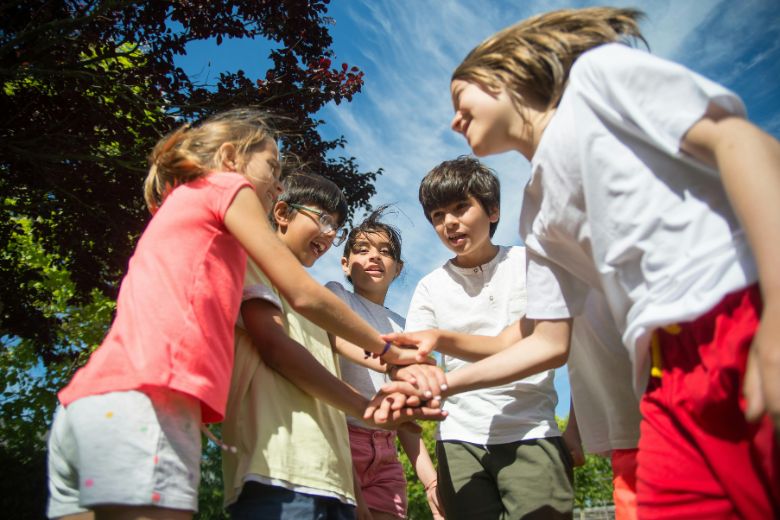
Picture a busy playground where kids stand around a new game, too shy to join in. One girl, Emma, takes a deep breath and steps forward. “Can I play too?” she asks. Her simple words break the ice. Soon everyone is laughing and having fun together.
This scene shows why teaching social skills matters so much.Kids who practice social skills early often feel more confident. They know how to join conversations, work with teammates, and solve problems with others.
Teaching social skills doesn’t need to feel like boring schoolwork. The best way to learn these skills is through games, activities, and play. Activities like group games, music, and creative projects give children chances to practice. They learn to take turns, listen carefully, and give compliments to friends. Since they’re enjoying themselves, the learning happens naturally.
This article shares many fun games and activities that build social skills.
Key takeaways:
- Social skills help kids talk to others, work together, and handle their feelings.
- Fun games make learning easier and help kids remember what they learned.
- Kids of all ages can play social skills games made just for them.
Fun games and activities that build social skills
Playing games is one of the best ways to teach kids how to work together and talk with others. Games help children learn to be patient, solve problems, and cooperate—all important skills for making friends.
Board games teach kids how to take turns, play fair, and solve disagreements. Games like Candy Land, Guess Who, or team games like Outfoxed show kids how to follow rules and work together toward the same goal.
Pretend play helps kids practice real-life situations in a fun, safe way. When children pretend to be doctors, store owners, or teachers, they learn how to make eye contact, use the right tone of voice, and understand what others are feeling.
Story circles are another great activity. Kids sit in a circle and each person adds one part to a group story. This activity helps children be creative while learning to listen and respect other people’s ideas.
Music and movement activities
Music and movement activities are another great way to help kids build social skills. Children often feel more comfortable expressing themselves when they’re moving, dancing, or making music with friends.
Music games like rhythm activities or group drumming help kids listen to each other and work together. When children play music as a group, they learn to be patient, stay focused, and cooperate—all while having a great time.
Movement activities like group games or team challenges let kids practice solving problems together. These activities also help children learn to control their emotions. Kids discover how to handle feeling upset and how to celebrate when the whole group does well.
When kids use music and movement together, they have fun while practicing important skills. They learn to control themselves, understand how others feel, and work as a team.
Social skills activities for preschoolers
Young children learn best from simple, fun activities that teach them how to share and care about others. Here are some easy games that work great for young kids:
- Sharing toys teaches kids to be fair and take turns with friends.
- Feeling/emotions games help children learn to recognize different emotions and name them. Kids can act out happy, sad, or angry feelings while others guess.
- Circle time talks give young kids practice listening to others and speaking up in a group.
- Team puzzles help kids work together to finish a big puzzle. This teaches them to cooperate and be patient.
- Building together means creating something as a team using blocks or toys. Kids learn to make plans together and share ideas.
These activities might look simple, but they help young children build the basic skills they need. Later, these early lessons help kids learn more advanced social skills as they grow up.
Activities for older kids and teens
As kids get older, making friends and getting along with others becomes more complicated. That’s why older kids and teens need more challenging activities to build their social skills. Here are some great activities for older kids:
Friendly debates teach kids how to disagree politely, think carefully about issues, and feel confident sharing their opinions. Kids who love technology might enjoy online team games, where working together and talking clearly help everyone win.
Advanced pretend play helps older kids practice reading social signals like facial expressions and body language. These skills help them navigate friendships, work with teammates, and even succeed in future jobs.
Community gardening – Work as a team to take care of plants together. This teaches responsibility and cooperation.
Pass the compliment – Each kid gives a nice compliment to the next person. This builds positive feelings and confidence.
Cooking simple recipes – Make a snack together while practicing communication and taking turns.
Kids debate club – Practice disagreeing politely and giving thoughtful answers about fun topics like “cats vs. dogs.”
When we give older kids and teens more challenging activities, we help them build the confidence and caring they need for real-life situations.
Final thoughts
Teaching social skills isn’t something you do just once—it’s an ongoing process that needs patience, practice, and lots of encouragement. When parents and teachers add games, music, movement, and pretend play to everyday activities, they make learning social skills both fun and effective.
Every activity helps, whether it’s sharing toys as a little kid, having respectful debates as a teenager, or working in a garden with friends. Each of these experiences gives children the tools they need to talk with others, work together, and build strong friendships.
When kids get the right mix of fun activities and helpful support, they can grow into confident, caring people who succeed in their communities and everywhere else they go.
FAQ
How can parents and educators track progress or know if social skills are improving?
You can track progress by watching kids and using simple checklists. Look for good signs like better turn-taking, improved listening, more eye contact, or greater willingness to work with others.
Teachers might use organized charts or social-emotional learning trackers to measure growth. Parents can watch for positive changes at home, such as brothers and sisters sharing more easily or fewer fights during playtime.
When families and schools talk regularly about what they see, it helps everyone understand how well kids are doing with their social skills.
How can parents be engaged or trained to reinforce these skills at home?
When they interact well with others, and adding activities to everyday routines. For example, families can practice saying thank you at dinner or take turns during family board games. Parents can also learn new ideas from workshops, online parenting classes, or social-emotional learning guides from schools.
The most important thing is being consistent. When kids see the same social rules used at home and at school, they are much more likely to succeed.
Teachers might use organized charts or social-emotional learning trackers to measure growth. Parents can watch for positive changes at home, such as brothers and sisters sharing more easily or fewer fights during playtime.
When families and schools talk regularly about what they see, it helps everyone understand how well kids are doing with their social skills.
Are there modifications for children with language barriers?
Yes, social skills activities can work for all children, including those who have trouble with language. Teachers and parents can use pictures, hand movements, and body language instead of just words. For example, emotion cards with pictures help kids learn about feelings. Role-playing with simple actions and games like charades work well without using lots of words. Pairing children with friends who show good behavior also helps kids learn.
Teachers can use materials in different languages or make instructions simpler to help all kids understand and join in.
What should I do if my child resists participating or struggles with social anxiety?
It’s normal for some children to feel shy or worried during social activities. Start with easy, one-on-one activities before trying group games. Let the child watch first, then join in when they feel ready.
Praise small steps and celebrate any progress, even if it seems tiny. If a child’s worry about social situations continues for a long time or makes daily life hard, think about getting help from a school counselor or child psychologist for more ideas.