
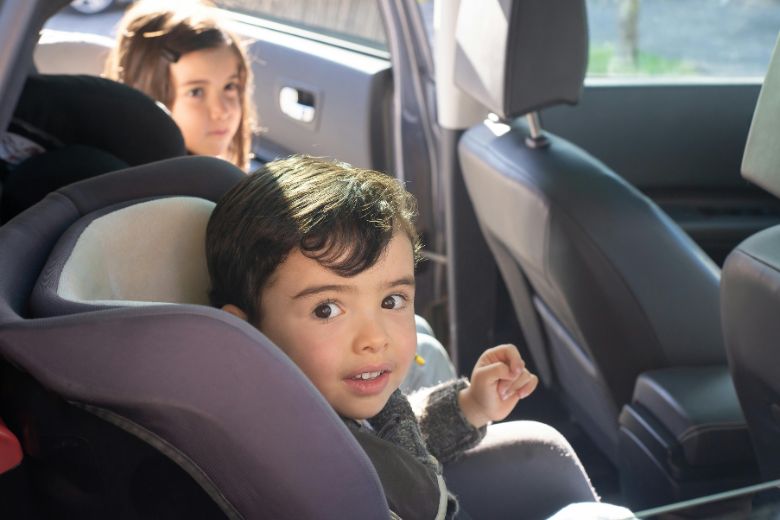
The thought of spending hours in a car with restless children can feel overwhelming. Cramped back seats, endless “Are we there yet?” questions, and sudden meltdowns can turn what should be a joyful family adventure into a test of patience. These moments often leave moms and dads feeling irritated, anxious, and even powerless, unsure of how to keep everyone safe, entertained, and calm for hours on the road.
Left unmanaged, the chaos doesn’t just spoil the mood—it can also lead to poor decisions, missed schedules, wasted money on unplanned stops, and the loss of precious family time that should have been spent building memories instead of managing conflict.
With thoughtful planning, the right essentials, and creative ways to keep children entertained, parents can transform long drives into memorable family experiences. Preparing ahead with safety, snacks, and flexible schedules is just as important as finding the right balance between screen time and hands-on activities.
Preparing for a road tip with kids
Good preparation makes all the difference in family travel. Start by mapping your route and identifying family-friendly stops along the way. Rest areas with playgrounds, interesting landmarks, or scenic viewpoints can break up long stretches of driving and give everyone a chance to recharge.
Booking accommodations in advance eliminates the stress of searching for hotels with tired children in the car. Having confirmed reservations also gives the family something to look forward to during longer driving segments.
When packing, think beyond the basics of clothes and toiletries. Your car should include entertainment options, healthy snacks, comfort items like blankets or favorite stuffed animals, and a well-stocked first-aid kit. Parents traveling with toddlers will want to keep essentials like diapers, wipes, and spare clothing easily accessible from the front seat.
Before leaving, consider establishing simple car rules with your children. Clear expectations about seating arrangements, screen time limits, and snack sharing can prevent many common road trip conflicts.
Food & snacks for car travel with kids
Smart snacking keeps everyone comfortable and can help avoid frequent stops. Pack a variety of healthy options that travel well: pre-cut fresh fruit, cheese sticks, whole-grain crackers, and trail mix are all good choices. Choose drinks that hydrate without too much sugar, which can lead to energy spikes and crashes.
Consider creating individual snack containers with small compartments filled with different treats. This approach helps with portion control and gives children something to explore during quiet moments in the car.
Keep a small cooler within reach of the driver’s seat. This setup saves time on unnecessary stops and ensures everyone has access to fresh, appealing food throughout the journey.
Must-have car travel essentials
Certain items can make any family road trip run more smoothly:
- A well-organized cooler with snacks and drinks
- Individual water bottles for each child
- Activity bags containing books, crayons, small toys, or puzzles
- Tissues and plastic bags for cleanup
- Comfort items like blankets or stuffed animals
- A basic first-aid kit for minor scrapes or issues
Safety tips for car travel with children
Safety should always come first during family travel. Ensure car seats and booster seats are appropriate for each child’s age and size, and check that they’re properly installed. Children should ride in the back seat when possible, as this is the safest position in the vehicle.
For children prone to motion sickness, encourage them to look out the windows rather than down at books or screens. Keep the car well-ventilated and avoid heavy meals before driving. Some families find success with motion sickness bands or other remedies recommended by their pediatrician.
Plan regular stops every two to three hours. These breaks allow everyone to stretch, use restrooms, and help prevent driver fatigue.
Keeping kids entertained on long car rides
Managing boredom is one of the biggest challenges of car travel with children. While tablets and movies can be helpful during particularly long stretches, balancing screen time with other activities often works better for maintaining good moods.
- Classic car games like “I Spy,” “20 Questions,” and counting different colored cars never go out of style.
- Audio entertainment can make miles pass quickly. Family-friendly podcasts, audiobooks, and sing-along songs work well for mixed age groups. Consider letting children take turns choosing the entertainment.
- Hands-on activities keep younger children engaged. Coloring books, sticker sheets, magnetic drawing boards, and simple craft supplies work well in car seats. Older children might prefer reading, travel journals, or helping with navigation.
Consider preparing small surprise bags with new activities or treats to reveal at different points during the trip. These don’t need to be expensive—sometimes a new pack of crayons or small puzzle provides just the right distraction.
Managing naps, breaks, and schedules
Every family develops its own travel rhythm. Some prefer early morning departures, while others find success leaving during naptime so younger children sleep through the first portion of the drive.
Build flexibility into your schedule rather than trying to maintain rigid timelines. Unplanned stops often become unexpected highlights, and maintaining a relaxed attitude helps everyone enjoy the experience more.
For families with children who nap, work with natural sleep schedules rather than against them. Bring familiar comfort items that help recreate bedtime routines, and don’t worry if car naps affect regular bedtimes.
Final tips for stress-free family car travel
Family road trips aren’t about perfect execution—they’re about shared experiences and making memories together. Some moments will be challenging, and that’s normal. But the excitement of discovering new places, the satisfaction of reaching your destination together, and the stories you’ll tell afterward make the effort worthwhile.
Focus on the journey itself rather than just the destination. You’re creating experiences your children will remember and stories your family will share for years to come.
FAQ
How do you keep kids busy on long car rides?
A mix of activities works best. Screens can help for short periods, but games, audiobooks, coloring books, and hands-on toys keep kids engaged for longer stretches. Rotating activities and planning surprise bags helps avoid boredom.
What should I pack for car travel with a toddler?
Keep essentials in an easily accessible bag in the front seat. Include diapers, wipes, snacks, a change of clothes, and a few small toys. Don’t forget comfort items like a favorite blanket or stuffed animal.
How often should you stop when traveling with kids?
Plan stops every two to three hours, but adjust based on your family’s needs. Look for locations where children can move around and burn energy, like rest areas with playgrounds.
What are the best car games for a 5-year-old on a road trip?
This age group enjoys interactive games like “I Spy” and simple word games. Activity books with stickers, small travel games, and involving them in navigation also work well.
How do you handle motion sickness in kids during long car rides?
Encourage children to look out windows instead of down at books or screens. Keep fresh air circulating and avoid heavy snacks before travel. Some families use motion sickness bands or consult their pediatrician about other options.
What snacks are healthiest for kids on road trips?
Healthy options include fruit slices, cheese sticks, whole-grain crackers, trail mix, and yogurt tubes. To keep these foods safe and fresh, store them in a small travel refrigerator or cooler within easy reach. It’s also best to pack water or diluted juice instead of overly sweet or caffeinated drinks, which can make kids restless and dehydrated.
Is it better to drive at night or during the day with kids?
This depends on your family’s preferences and children’s ages. Night driving works well if children sleep easily in cars, while day travel offers more flexibility for stops and activities. Test both approaches on shorter trips to see what suits your family best.