
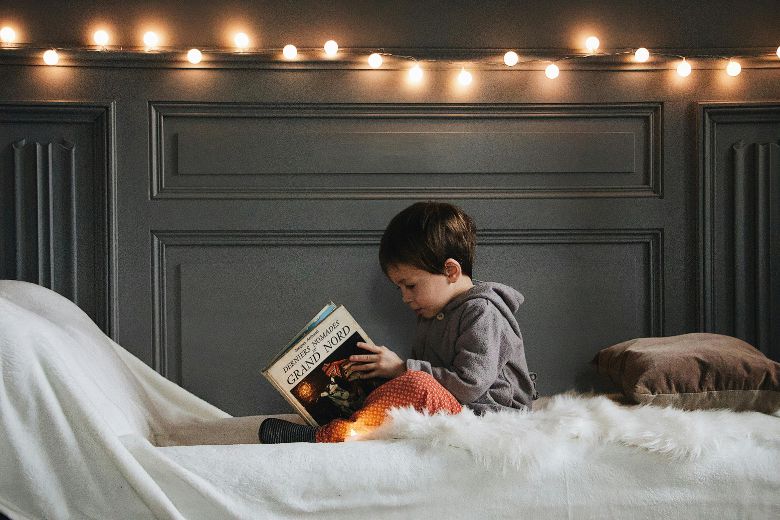
Many parents face this exact scenario. Their child sees a book and runs the other way. Or sits there, arms crossed, refusing to even look at the pages.
It hurts. You know reading matters. You’ve heard it a million times—kids who read do better in school, have bigger vocabularies, feel more confident. But your child? They’d rather do anything else.
Here’s what smart parents have figured out: wordless books flip the script completely.
Think about it. Your child opens a wordless book and doesn’t see scary words they can’t read. They see pictures that make them curious. “What’s happening here?” they wonder. Before you know it, they’re making up stories, pointing at details, asking questions. This isn’t reading—it’s playing. But here’s the secret: it’s actually the best kind of reading practice there is.
Researchers at the University of Chicago discovered something fascinating. They found that parents who use lots of hand gestures, facial expressions, and visual clues while reading help their kids build stronger vocabularies. How much stronger? These simple actions explain about 22% of the difference between kids who enter kindergarten with great language skills versus those who struggle.
Wordless books naturally bring out these powerful teaching behaviors in parents. You point, you gesture, you make funny voices. Your child watches, learns, and joins in. No pressure, no struggle—just pure connection and growth.
What this means for your family
- Your child becomes the storyteller. Instead of following someone else’s words, they create their own adventure.
- Learning happens naturally. While your child invents stories,they’re building vocabulary, learning to think critically, and working through emotions
- Every family can use them. Got a two-year-old who loves pictures? Perfect. A preschooler who’s curious about everything? Even better. An early reader who feels overwhelmed by text? These books are ideal. Speaking multiple languages at home? Wordless books work in any language—or all of them at once.
- Conversations flow easily. “What do you see?” “What happens next?” “How do you think she feels?” These simple questions open up real talks between you and your child. No scripts needed, no right answers required.
What are wordless books?
Think of wordless books as movies in book form. They tell complete stories using only pictures—no words anywhere on the pages. Books with no words encourage kids to observe, interpret, and create their own words for the story.
Why parents and teachers love them
These books solve so many everyday problems that parents face such as:
- They grow with your child. A three-year-old might say, “Doggy running!” while looking at the same page where a six-year-old creates an entire backstory about why the dog is chasing the butterfly and how it reminds him of his own pet.
- No reading skills required. Your child can’t read yet? They can “read” these books perfectly. Kids learning English as a second language? The pictures make sense in any language.
- Every story is different. Today the character might be brave and adventurous in your child’s version. Next week, your little ones might tell the same story but focus on how scared the character feels. The pictures stay the same, but the stories evolve as your child grows and changes.It’s like having a new book every time you open it.
Young children whose parents read them five books a day enter kindergarten having heard about 1.4 million more words than kids who were never read to, a new study found.
The secret superpower of wordless books
These simple picture books pack more benefits than most parents realize. Here’s what happens when your child opens one:
- Their imagination explodes. Without words telling them what to think, kids create wild, wonderful stories. The same picture of a bear might become a gentle giant helping forest animals one day, or a brave explorer discovering new lands the next.
- They become detectives. Every page is a puzzle to solve. “Why is the girl looking sad?” “Where did the cat go?” Kids study each detail, connecting clues to figure out what’s happening. This is critical thinking in action.
- They become detectives. Every page is a puzzle to solve. “Why is the girl looking sad?” “Where did the cat go?” Kids study each detail, connecting clues to figure out what’s happening. This is critical thinking in action.
- Reading fears disappear. That child who groans when you mention books? They’ll flip through wordless books happily because it doesn’t feel like “real reading.” But guess what—it totally is.
- Every family can join in. Parents who speak different languages, kids learning English, families with mixed reading levels—everyone can participate fully. Pictures speak every language.
- Conversations come naturally. “What do you think will happen next?” “How would you feel if that happened to you?” These books turn quiet kids into chatterboxes and shy parents into engaged storytellers.
- Late talkers find their voice. When children see interesting pictures, they want to talk about them. Visual prompts often unlock speech in ways that direct questions can’t.
- Details matter suddenly. Kids start noticing everything—the character’s facial expression, background objects, color changes. This attention to detail helps in school and life.
- Everyone gets to be right. There’s no wrong way to interpret these stories. This builds confidence and encourages kids to share their thoughts freely.
The magic happens because your child isn’t just reading—they’re creating, thinking, and connecting with you all at once.
The best wordless books for kids
We’ve carefully chosen the best wordless books for kids that make story time absolutely magical. We wish we could include every wonderful picture book for young readers, but there are just too many great ones! If you love the illustrations and story ideas in books we haven’t listed here, we encourage you to buy those books so you can enjoy special reading time with your kids.
The Boy & the Book (age 2-5)
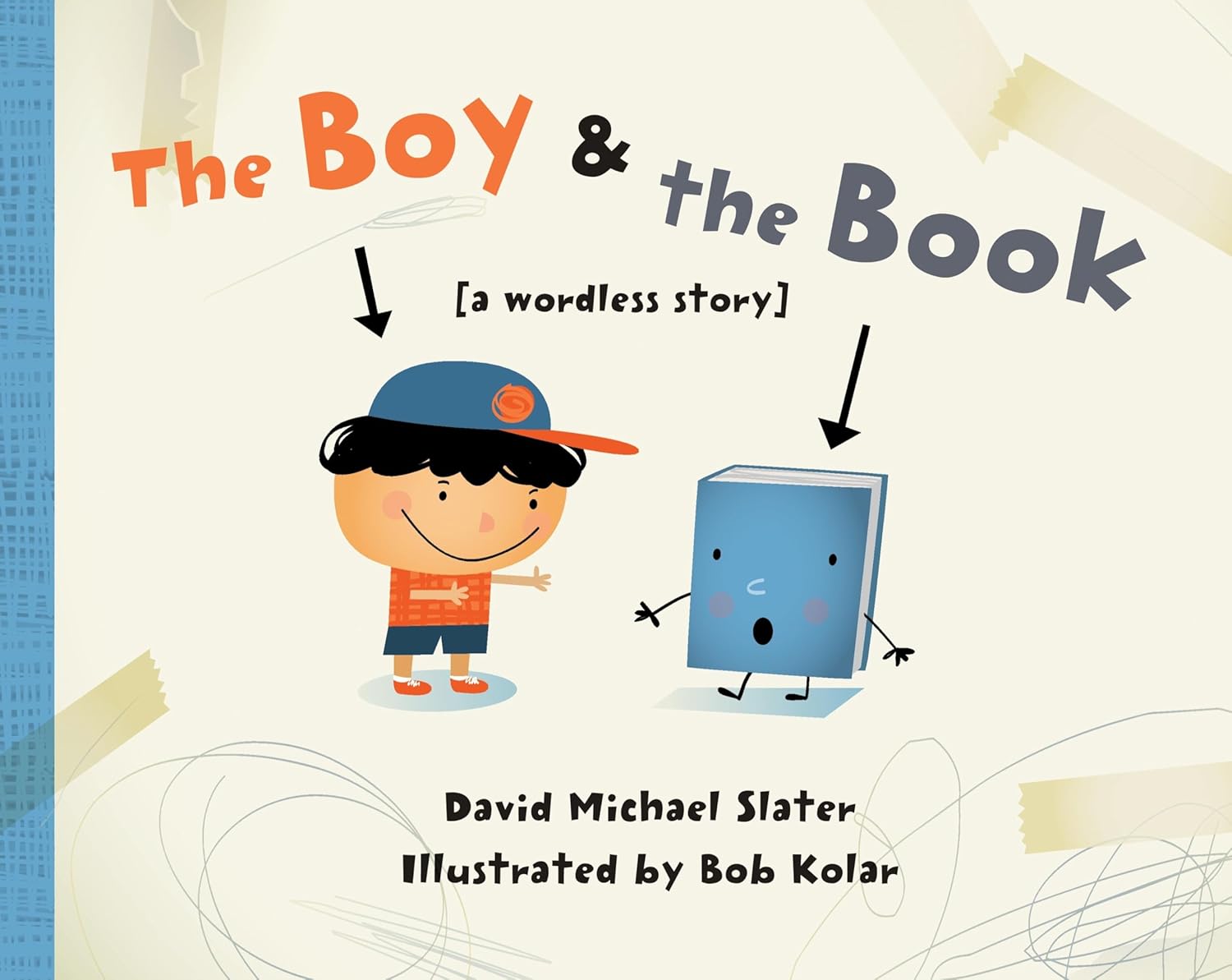
This charming wordless picture book, illustrated by Bob Kolar, follows a little boy who loves a library book a bit too much. He hugs, tosses, and bends it until the book and its friends try to hide! Soon, the boy learns that books are more than objects—they hold stories that bring comfort and joy. Praised by parents, teachers, and speech-language pathologists, it’s perfect for teaching emotions, body language, and storytelling to kids ages 2–5 and beyond.
What we like:
- The illustrations are simple and flat, showing clear emotions that young readers can easily understand.
- The compositions are age-appropriate, making it easy for children to create their own stories while narrating.
The Light Inside
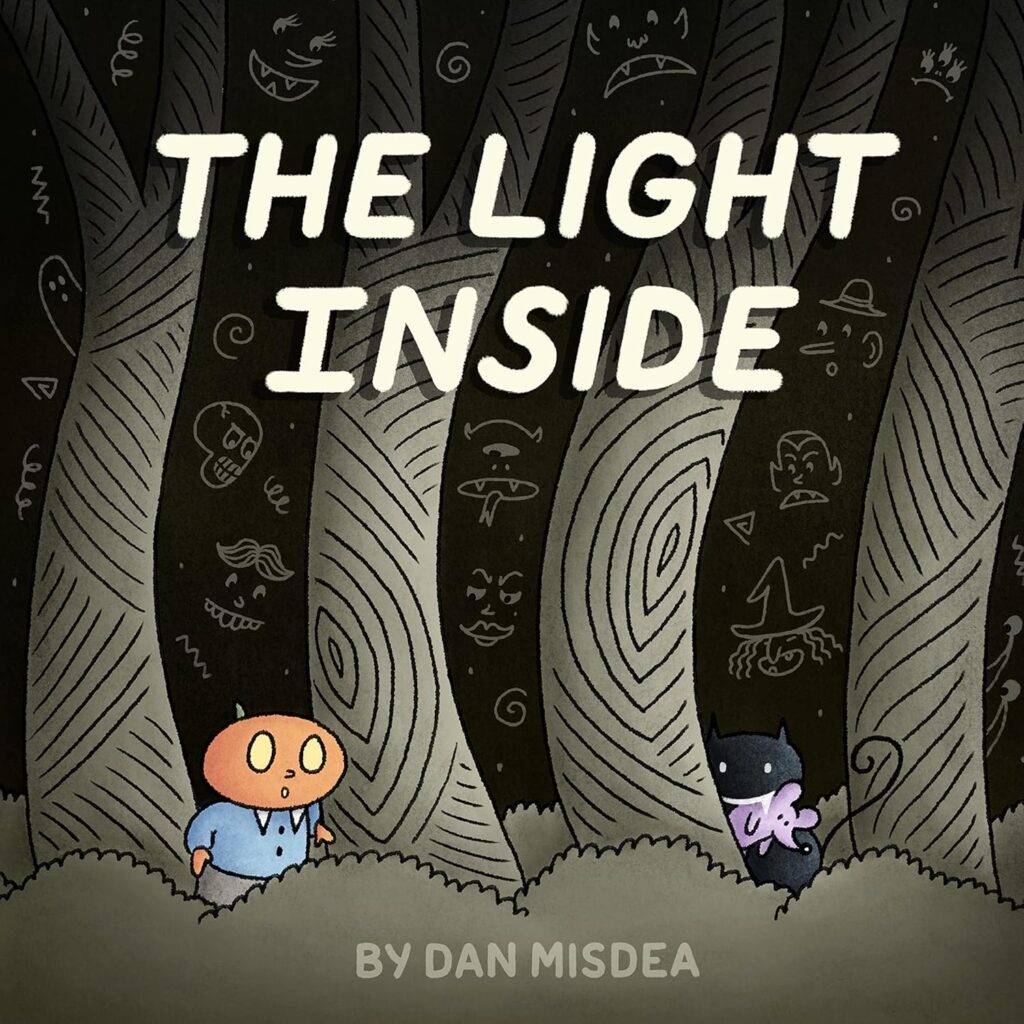
The Light Inside by Dan Misdea is a sweet and quirky wordless picture book about a timid pumpkin who must venture through a spooky forest to rescue its favorite toy. With charming comic-style illustrations, the story shows how courage and self-trust can help overcome fears, even when the night feels scary. Full of fun surprises, Halloween-themed characters, and heartfelt moments, it’s perfect for young readers learning about bravery, emotions, and imaginative storytelling. Parents and children alike love following the adventure and creating their own narratives along the way.
What we like:
- Young readers will love the illustrations filled with action verbs that make it easy to tell the story.
A Day with Oliver (age 2-5)

Our goal was to help young readers develop their language skills by following the adventures of cute corgi Oliver and his friend Benny. The book includes over 30 everyday situations where kids can practice vocabulary they need for their daily activities. We also wanted to start conversations from an early age about important topics like responsible use of mobile devices, protecting nature, and other meaningful subjects.
What we like:
- Simple, flat illustrations with lots of environmental details that kids will recognize from their own lives.
- The book also covers topics that help start important discussions from an early age.
Lines (age 3+)
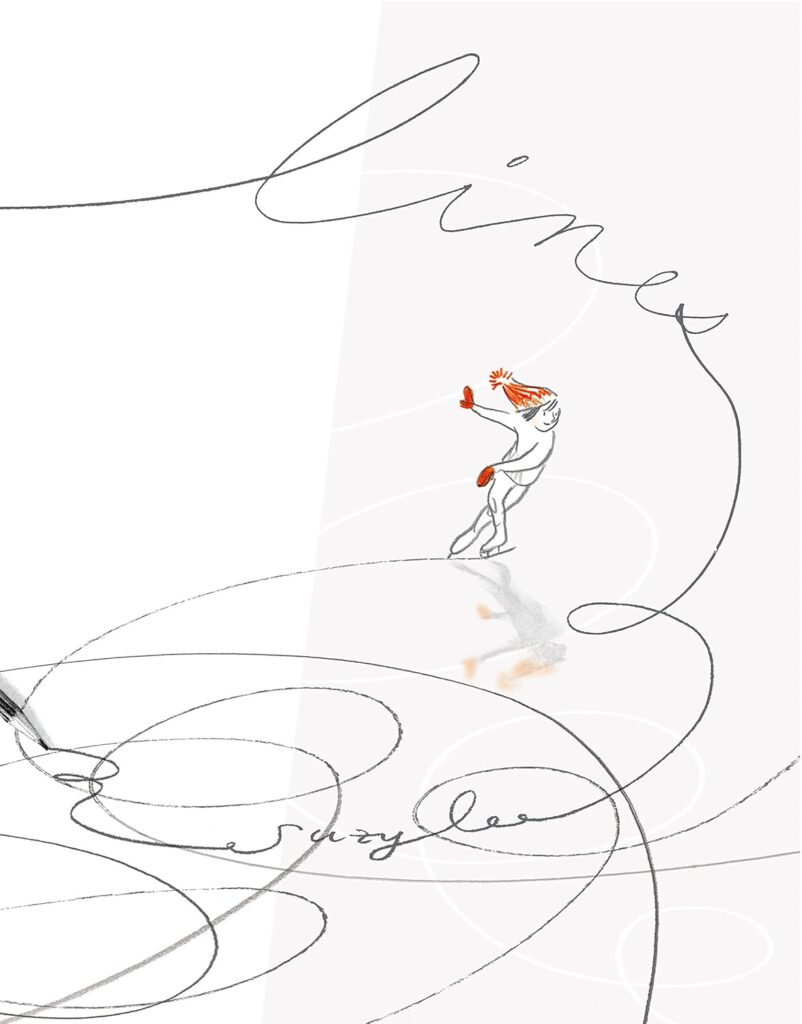
Lines captures the delicate magic of a young skater gliding across a frozen pond. With her signature light touch, Lee blurs the lines between reality and imagination, creating a story that enchants both children and adults. Celebrated internationally and recognized for its stunning illustrations, this book invites readers to explore, imagine, and lose themselves in a beautifully visual journey. Perfect for any age, it’s a masterful example of storytelling without words.
What we love
- Stunning illustrations that spark the imagination of readers of all ages.
Mirror (age 3-7)
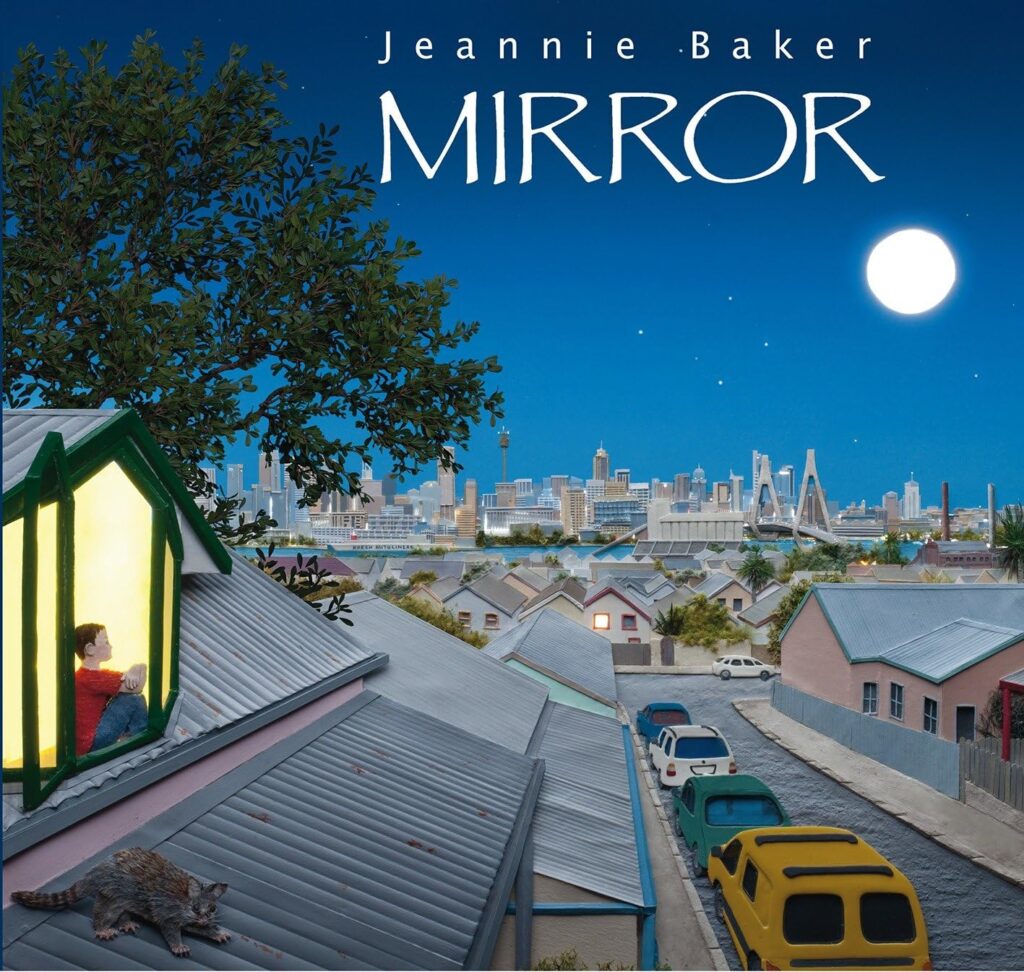
The Mirror is an innovative wordless picture book that follows a day in the life of two families from different countries. Told side by side with richly detailed collage illustrations, the book invites readers to explore cultural differences while discovering surprising similarities in daily routines. Children can compare, contrast, and connect with the experiences of others, fostering empathy and global awareness. Beautifully designed and visually engaging, it’s perfect for classroom discussions or shared reading at home.
What we love:
- The creative storytelling style
- Gorgeous collage artwork
Tuesday (age 3-8)

Tuesday by David Wiesner is a nearly wordless, whimsical picture book that begins when frogs suddenly start to fly one Tuesday evening, setting off a chain of hilarious and imaginative adventures. Told with the precision of a silent movie, Wiesner’s vivid illustrations allow readers to create their own stories while exploring cause and effect, humor, and creativity. Perfect for children and adults alike, it’s an engaging tool for storytelling and language development, making it ideal for classrooms, speech therapy, or imaginative home reading.
What we love:
- Incredible artworks
- How it sparks the imagination
Flotsam (age 4-7)
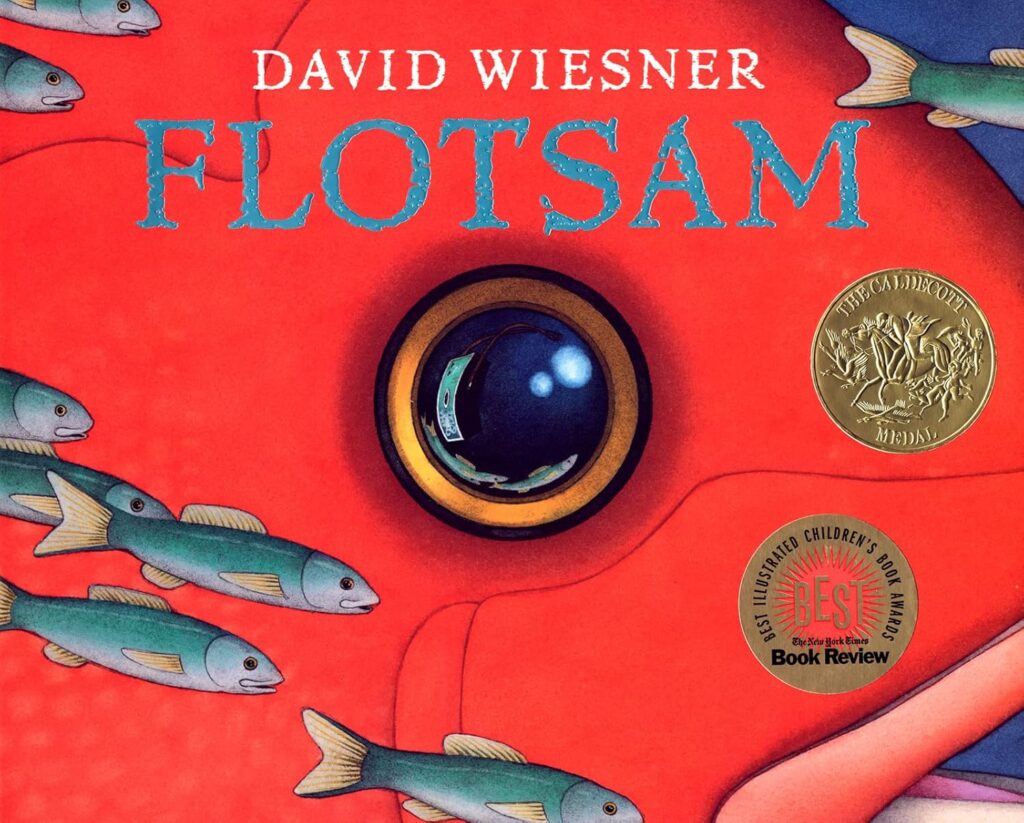
Flotsam by David Wiesner is a mesmerizing wordless picture book that takes readers on a magical beachcombing adventure. A curious, science-minded boy discovers a barnacle-covered underwater camera, and the photos inside reveal fantastical sea creatures and an endless chain of discoveries that stretch imagination across time and space. Wiesner’s intricate watercolor illustrations spark creativity, curiosity, and wonder, inviting children and adults alike to explore every detail. Celebrated for its inventive storytelling and playful surrealism, Flotsam is perfect for inspiring young readers to see the extraordinary in the ordinary.
What we like
- Illustrations that spark imagination and encourage kids to use more descriptive language. Clear storylines that are easy to follow when telling the story.
The Boy and the Elephant (age 4-8)

The Boy and the Elephant by Freya Blackwood is a breathtaking wordless picture book about friendship, imagination, and the power of protecting nature. A young boy befriends an “elephant” he sees in the shapes of the trees on an empty city lot, but when builders arrive to cut them down, he must find a way to save his beloved friend. The story blends tenderness with magical realism, showing children that even small acts can spark change. Celebrated by parents, teachers, and reviewers alike, it’s a visually stunning book that inspires creativity, empathy, and a love for the natural world.
What we like:
- Stunning illustrations show different emotions, with a mix of scenes and camera angles that encourage kids to develop a rich vocabulary as they tell the story.
The Farmer and the Monkey (age 4-8)
The Farmer and the Monkey by Marla Frazee is a delightful wordless follow-up to The Farmer and the Clown, bringing humor, heart, and a new unexpected friendship. When a playful circus monkey follows the farmer home, he discovers that surprises can lead to joy, laughter, and connection. Frazee’s expressive illustrations allow young readers to create their own dialogue and explore emotions, making it perfect for preschoolers and early elementary students. Sweet, charming, and full of fun, this book is a wonderful celebration of friendship and kindness.

What we like:
- Different camera angle illustrations that require rich vocabulary from both kids and adults.
Every Little Kindness (age 4-8)
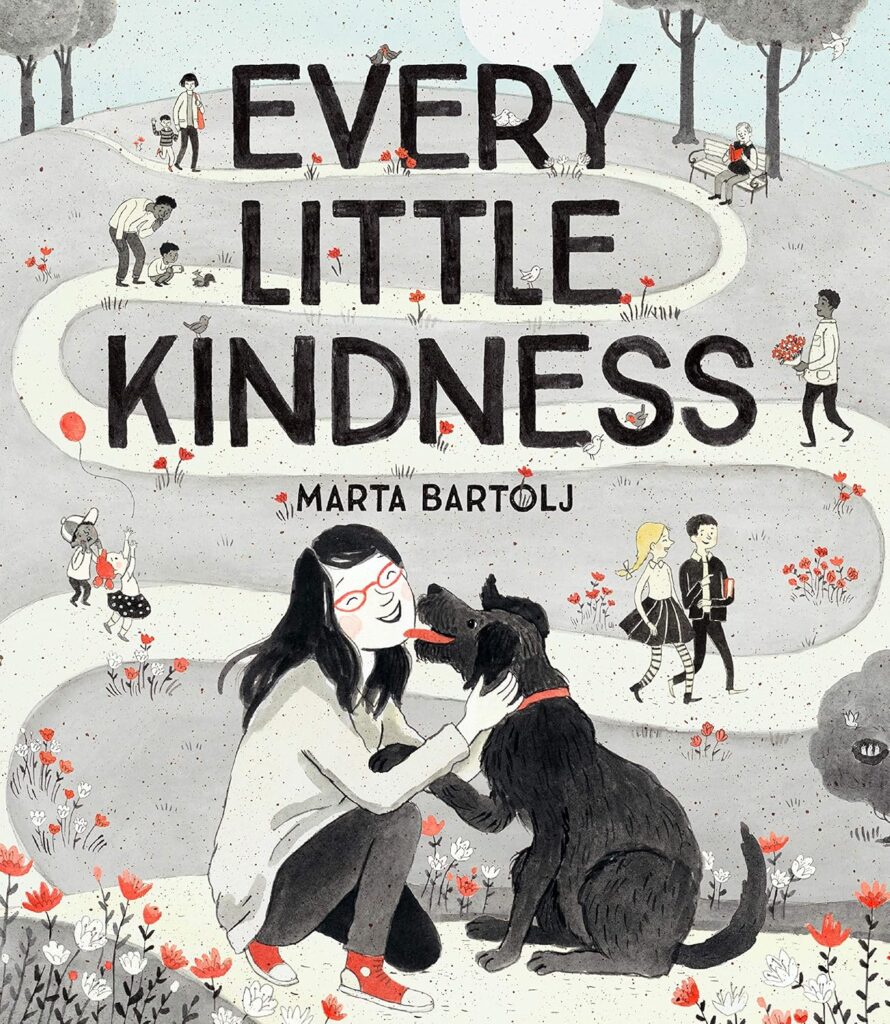
Every Little Kindness shows how one small act of kindness can ripple into a wave of generosity, transforming a neighborhood. Through beautifully detailed illustrations with pops of color highlighting good deeds, children are invited to create their own stories while learning the value of kindness and community. The book features a diverse cast of characters and an inclusive perspective, making it perfect for parents, educators, and young readers to explore creativity and social-emotional learning.
What we love:
- Stunning illustrations
- How it sparks the conversation about kindness and demonstrates that even the smallest actions can make a big difference
Which wordless books are best for group storytime activities?
When you’re reading to a classroom full of kids or a library storytime crowd, not every wordless book will work:
Look for clear, detailed pictures. Twenty kids need to see what’s happening from across the room. Tiny details get lost.
The magic of group storytelling happens when kids build on each other’s ideas. “I think the boy is scared,” says one child. “But look—he’s smiling a little,” adds another. “Maybe he’s scared and excited!” chimes in a third.
Suddenly you’ve got twenty kids working together to create one amazing story. And the best part? They’re all right.
For parents at home
The key is creating an atmosphere where your child feels like the storytelling expert, not the student being tested.
Start with curiosity, not instructions. Instead of “Tell me what’s happening,” try “Hmm, I wonder what that character is thinking.” Your tone matters more than your words.
Let them be the expert. When your child starts talking, listen. Don’t correct their story or add “helpful” details. This is their show, and they need to feel like the boss of it.
Ask the magic W-questions: “What happens next?” or “Why has this happened?” This simple phrase keeps kids engaged and thinking ahead. They love predicting and being right about their guesses.
Read it again—and again. The same book becomes completely different the second time through. Your child will notice new details, create different dialogue, even change the entire mood of the story.
Let them flip the script. “What if the ending was different? What if this character made a different choice?” Kids love rewriting stories to match their current mood or interests.
For teachers in the classroom
With a group of kids, your goal shifts from one-on-one bonding to building a collaborative storytelling community. Make it a team effort. Start the story, then point to different kids to continue. “Sarah, what do you think happens on this page? Marcus, what would you add to Sarah’s idea?”
Turn pictures into projects. After reading, have kids draw their favorite scene, write a letter from one character to another, or create a sequel page. Get them moving. Act out the story together. Kids can pretend to be the characters, which helps them understand emotions and motivations on a deeper level.
The best part? There’s no wrong way to do this. Trust the process, trust your child, and watch their confidence soar.
Finding the perfect wordless book for your child
Not all wordless books work for every age. Here’s how to pick winners that will actually hold your child’s attention.
Toddlers: keep it simple
Your toddler needs big, bold pictures they can understand instantly. Look for books where something happens on every page. Ball gets lost. Dog looks sad. Ball gets found. Dog jumps for joy. Toddlers love predictable patterns and happy endings.
Skip anything with tiny details or complex backgrounds. Your little one won’t probably notice the subtle facial expressions or background clues yet.
Preschoolers: add some spice
Now your child can handle more interesting stories. Preschoolers love books where characters get into (harmless) trouble, solve problems, or go on little adventures. They’re starting to understand emotions beyond happiness and sadness.
They can also handle books with more characters and simple subplots. Just make sure the main story line stays clear.
Early reader: Bring on the adventure
Kids this age crave complex stories , they can follow character development, understand deeper themes, and appreciate artistic details.
These books often tackle bigger emotions—loneliness, courage, belonging. Your child is ready to discuss why characters make certain choices and what they might do differently.
Older kids: challenge their minds
Books like we shared above work beautifully for kids who can think abstractly. These stories often deal with immigration, identity, or social issues through beautiful, layered artwork.
Your older child can appreciate artistic techniques, symbolic elements, and open-ended conclusions that spark real discussions about life and human nature.
The key? Start simple and work up. A frustrated child won’t engage, but a slightly challenged one will thrive.
The bottom line
Wordless books aren’t just another parenting trend that’ll disappear next year. They’re something much more valuable—a bridge between your child’s natural curiosity and the skills they’ll need for life.
You don’t need many to see results. Start with just two or three wordless books. Watch what happens during your next car ride, quiet afternoon, or bedtime routine. You might be surprised how quickly your child gravitates toward them.
The real magic isn’t in the books themselves—it’s in what happens between you and your child when you open one together. Conversations flow. Imaginations soar. Connections deepen.
FAQ
How many wordless books should I include in my child’s library?
Start small. Three to five good wordless books will give you months of storytelling. You’ll be amazed how many different stories come from the same set of pictures.
Are wordless books just for beginning readers?
Absolutely not. Even kids who read chapter books love wordless books because they get to be the storyteller instead of following someone else’s words. It’s a completely different kind of brain exercise.
We speak two languages at home. Which type of book works better—wordless or bilingual?
Both help in different ways. Wordless books let you practice storytelling in either language (or both!), while bilingual books teach specific vocabulary. We’d suggest having both in your collection.
Can wordless books help kids who struggle with speech or language delays?
Yes, they can be helpful. Pictures give kids something concrete to talk about without the pressure of “correct” answers. Speech therapists use wordless books for exactly this reason.
I’ve heard these help with empathy. How does that work?
Without words telling them how characters feel, kids have to study facial expressions and body language. This skill transfers directly to real-life social situations.
Disclosure: Some links on Esme Keffe may be affiliate links, meaning we earn a small commission at no extra cost to you. We only recommend products and resources we genuinely trust and find valuable for parents and families.