
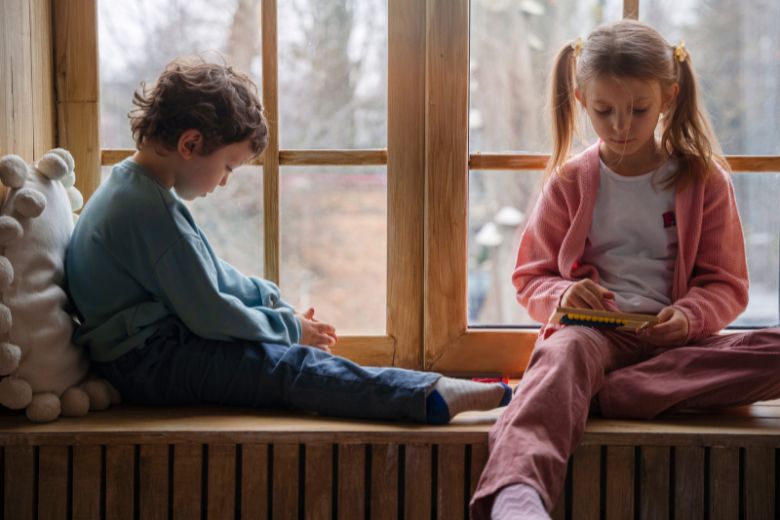
Kids who can’t wait their turn seem to be everywhere—grabbing toys from brothers and sisters, jumping into conversations, or having major meltdowns when they don’t get what they want right away. These moments can make us feel frustrated, embarrassed, or like we don’t know what to do. And here’s the thing: these aren’t just “kid problems” that will go away on their own.
When children don’t learn how to wait, it can hurt them in big ways. They might have trouble making friends. School becomes harder when they can’t wait to be called on or take turns during activities. Even their feelings get all mixed up because they never learned how to handle disappointment.
For young kids, waiting isn’t natural—it has to be taught, modeled, and practiced over time. The good news? Teaching patience is something every parent can do. It just takes the right approach and a little practice.
Why taking turns matters so much
Waiting teaches children so much more than just standing in line. It’s a powerful skill that shapes how children interact with the world.
- They get better at controlling themselves. Remember the marshmallow test? Back in the 1970s, the psychologist Walter Mischel gave kids a choice: eat one marshmallow now, or wait and get two marshmallows later. The kids who could wait did better in school, stayed healthier, and made smarter choices as they grew up. Pretty amazing, right?
- They learn important life skills. Want to share toys with a friend? You need to take turns. Want to work on a team project? Everyone has to wait their turn to talk. Want to make a deal with your sister? Someone has to go first, and someone has to wait.
- Their feelings stay more balanced. Kids who can wait don’t melt down as much. They don’t get as upset when things don’t go their way. They learn that waiting doesn’t last forever.
- They handle real life better. Think about a normal day: waiting for the school bus, taking turns on the swings, sitting quietly at the doctor’s office. Kids who can wait handle all of these things without falling apart.
- Good things keep happening as they grow up. These kids make friends easier because other children like playing with them. Teachers enjoy having them in class because they follow the rules. And they feel better about themselves because they can handle tough situations.
When children learn to wait, they’re not just following a rule their parents made up. They’re building skills that will help them succeed their whole lives.
Why waiting is so hard for little kids
If your child has a tough time waiting, don’t worry—you’re definitely not alone. There are real reasons why this is hard for them.
Reason #1: Their brains are still growing. Kids between ages 2 and 6 are in what we like to call the “I want it now” zone. Their brains haven’t finished developing the part that helps them control their impulses. It’s like having a race car with brakes that don’t work very well yet.
Reason #2: Big feelings take over everything. When your child gets excited about the playground or frustrated because they can’t have a snack, those emotions flood their whole system. It’s like trying to think clearly when you’re really, really hungry or super excited about something—almost impossible!
Reason #3: They can only see their own world. Toddlers and preschoolers aren’t being selfish on purpose. Their brains just aren’t ready to understand that other people have needs and feelings too. In their mind, they’re the most important person in the universe, and that’s actually normal for their age.
Reason #4: Time doesn’t make sense to them yet. When you say “five more minutes,” your 3-year-old has no idea what that means. Five minutes might as well be five hours or five seconds. They live completely in the moment.
Remember this when your child melts down about waiting: they’re not trying to drive you crazy or be difficult. Their brain is doing exactly what it’s supposed to do at their age. They just need us to help them learn these skills, one step at a time.
Practical strategies for parents & educators teaching turn-taking
Teaching your child patience won’t happen overnight—and that’s okay! Here are some tried-and-true ways to help your child learn to wait:
| Strategy | Description | Examples |
| Model patience | Children learn by observing adults. Showing calmness while waiting teaches them how to respond in similar situations. | Stay calm in traffic, wait your turn in conversation, or let someone go ahead in line. |
| Visual aids | Tools that make waiting visible and understandable, helping kids measure time and see progress. | Use a sand timer, waiting chart with names, or sing a short “waiting song.” |
| Role-play | Practicing pretend situations gives children a safe space to rehearse waiting skills. | Play “waiting at the doctor’s office,” “lining up for the bus,” or “waiting for a turn on the slide.” |
| Start small | Short waiting periods build success and reduce frustration before extending the time. | Begin with 10 seconds of waiting for a toy, then increase to 30 seconds or 1 minute. Consider integrating small moments into the routine, such as asking your child to pause and count to ten before handing over snacks or taking a few deep breaths together before starting a new activity |
| Books, games or dedicated coloring pages | Using playful and engaging activities to make patience practice fun and memorable. | Read “waiting” themed picture books, play turn-based games, or offer coloring sheets where kids wait their turn to color sections. |
| Praise effort | Reinforcing attempts, not perfection, motivates children and builds confidence. | Say, “I love how you waited your turn,” or give a sticker for trying. |
| Establishing daily patience rituals | Small routines built into the day help normalize waiting and make it a predictable habit. | Waiting for a song to end before snack time, taking turns choosing bedtime stories, or saying “count to 10 before opening the door.” |
The secret to success? Use these ideas everywhere—at home, at school, and when you’re out playing. When kids hear the same message from everyone, they learn much faster.
Making waiting feel safe and fun
Kids learn best when they feel good about what they’re doing. Here’s how to create a place where your child actually wants to practice waiting:
- Celebrate the small wins. When your child waits even for just a few seconds, make a big deal about it! “Wow, you waited so patiently for your turn on the swing!” A little praise goes a long way. You can even give high-fives, stickers, or extra bedtime stories when they do well.
- Make the rules crystal clear. Kids need to know what you expect from them. Try simple rules like “We take turns with toys” or “We wait for everyone to sit down before we eat.” Write them down or draw pictures so kids can remember them better.
- Keep things calm and simple. It’s hard to wait when there’s chaos everywhere. Turn off the TV during dinner, put away extra toys during playtime, or find a quiet spot at the playground. When kids aren’t overwhelmed, they can focus on learning to wait.
- Stick to the same rules every day. This is super important! If the rules change all the time, kids get confused and frustrated. When everyone in your family follows the same waiting rules, kids feel secure and learn faster.
Teaching little ones to wait
Toddlers and preschoolers need special help because their brains are still learning. Here’s what works best for the youngest kids:
| What to Do | Instead of Saying This | Try This Instead | Why It Works |
| Use simple words | “Be patient, honey” | “You can go after me” | Little kids don’t know what “patient” means, but they understand “after me” |
| Show them how | Just talking about taking turns | Use dolls to show turns, or demonstrate with toys | Kids learn better when they can see what you mean |
| Make it fun | Making them wait quietly | Count together, sing a short song, or use a “waiting jar” with colorful beads | When waiting is fun, kids want to do it |
| Keep it short | Making them wait 10 minutes | Start with 10-30 seconds, then work up slowly | Little kids can’t wait very long—start small and build up |
| Help when needed | Expecting them to remember everything | Some kids need extra help—break it down into tiny steps | Every child is different, and that’s okay |
Remember: If your child is having a really hard time, it might mean they’re not quite ready yet. Go slower, make the wait times shorter, or try again in a few weeks. Mistakes are part of the process.
Turn waiting into playing
The best part about teaching patience? You can make it into a game! Kids learn so much better when they’re having fun. Here are some favorite activities that secretly teach waiting skills:
- Classic board games are perfect. Start with simple ones like Candy Land or Memory. These games naturally teach kids to wait for their turn while having a blast. As they get better, try Chutes and Ladders or Go Fish. Don’t worry if they get frustrated at first—that’s part of learning!
- Get their bodies moving. Try “Red Light, Green Light” in the backyard, or play “Simon Says” in the living room. These games are great because kids have to stop and wait for the next instruction. Plus, they burn off energy while learning patience.
- Make story time interactive. Have kids sit in a circle and pass a book around. Each child gets to turn one page or tell one part of the story. They’ll be so excited to hear what happens next that they’ll learn to wait without even realizing it.
- Try group activities. Roll a ball to each child in turn, take turns adding blocks to a tower, or play a gentle version of musical chairs where everyone gets a chance. These activities teach kids that waiting means everyone gets a turn, not just some people.
Real life is the best teacher
Here’s the exciting part—you don’t need special toys or activities to teach waiting. Your regular day is full of perfect practice moments! The trick is turning these everyday situations into learning opportunities.
At the grocery store, those long checkout lines become waiting practice time. Give your child a job: “Can you count how many people are ahead of us?” or “Let’s see if you can spot all the red things while we wait.” Suddenly, waiting becomes a fun challenge instead of torture.
Playground time is waiting boot camp! “Look, there are three kids ahead of you for the slide. Let’s count them together as they go down.” When it’s finally their turn, celebrate: “You waited so patiently! That must feel great!”
Family dinner offers built-in turn-taking practice. Try “Everyone gets to share one thing about their day, and we’ll go around the table.” Or take turns being the “server” who passes out plates or fills water cups. Kids love having important jobs.
Make-believe is your secret weapon. Set up a pretend doctor’s office with stuffed animals as patients, or create a restaurant where toys have to wait to be served. When kids play out waiting scenarios, they’re practicing for real life without any pressure.
Even car rides work. “We’re stopping at a red light—let’s see how long it takes!” or “Dad’s getting gas, so we need to wait in the car. What can we do while we wait?”
The more your child practices waiting in different places, the easier it becomes everywhere.
Helping kids handle big feelings while they wait
Let’s be honest—waiting can bring up some pretty big emotions for little kids. The good news is that we can teach children simple tricks to stay calm when waiting feels really hard.
Tip #1: Try “balloon breaths” when things get tough. Show your child how to breathe in slowly like they’re blowing up a balloon in their belly, then let it out slowly. This actually helps their body calm down from the inside out. When kids do this a few times, their heart rate slows down and they feel more peaceful. It’s like magic!
Tip #2: Give them words to use. Sometimes kids don’t know how to express what they’re feeling. Teach them simple phrases like “I’m waiting my turn” or “This is hard, but I can do it.” When they have words for their feelings, they feel more in control.
Tip #3: Make waiting time go by faster. Help them focus on something fun instead of how long they’re waiting. Try counting backwards from 20, singing their favorite song quietly, or making up a silly story together. “I spy” games work great too—”I spy something red while we wait for the doctor.”
Tip #4: Stay calm yourself. This might be the most important tip! Kids pick up on our energy. If you’re stressed about waiting, they’ll be stressed too. Take some deep breaths yourself and remember that teaching patience takes… well, patience!
When kids learn these simple tricks, waiting becomes much less overwhelming. Instead of melting down, they have tools to help themselves feel better. And that’s a skill they’ll use for the rest of their lives.
When things don’t go as planned
Even when you’re doing everything right, kids will still have tough moments with waiting. That’s completely normal! Here’s how to handle the most common challenges:
| Challenge | What It Looks Like | What to Do | What to Say |
| Meltdowns and tantrums | Crying, screaming, throwing themselves on the ground | Stay calm, get down to their level, acknowledge their feelings | “I can see you’re really upset about waiting. It’s hard to wait when you want something so much.” |
| Fighting with other kids | Pushing, grabbing, “It’s my turn!” arguments | Teach them words to use instead of actions | “Try saying ‘Can I go next?’ |
| Testing the rules | Whining, bargaining, trying to skip the line | Stay consistent but kind—don’t give in even when it’s hard | “I know you don’t want to wait, but the rule stays the same. You can wait here with me or choose a different activity.” |
| Giving up completely | “I don’t want to play anymore,” walking away sad | Help them try again with smaller steps | “That felt too hard, didn’t it? Let’s try waiting for just 10 seconds this time.” |
You need patience to teach patience! Some days will be harder than others, and that’s okay. Every time your child practices waiting—even if it doesn’t go perfectly—they’re learning something important.
Reducing tantrums and crying
When kids are learning to wait, their big feelings sometimes explode into tears, screaming, or even throwing themselves on the floor. Here’s how to get through these tough moments:
Connect with their feelings first. Before you try to fix anything, let them know you understand. Get down to their eye level and say something like “I can see you’re really frustrated. Waiting is so hard sometimes.” This helps them feel heard, which is the first step to calming down.
Don’t try to make the feelings go away. It’s tempting to say “Don’t cry” or “It’s not that bad,” but this actually makes things worse. Instead, try “Your feelings are big right now. It’s okay to feel upset about waiting.” When kids know their emotions are valid, they calm down faster.
Give them something to do with their hands or mind. While they’re waiting, offer a small distraction: “Let’s count how many cars go by” or “Can you help me make a grocery list?” Having a job makes waiting feel less endless.
Keep yourself calm—this is the secret ingredient. Take a deep breath and remind yourself “This is how kids learn.” You might even whisper “patience is strong” to yourself as a gentle reminder. When you stay calm, your child’s nervous system starts to match yours, and they begin to settle down too.
Stick to your rules, even when it’s hard. Here’s the thing: if you give in during a tantrum, you’re accidentally teaching your child that tantrums work. Stay kind but firm. “I know you don’t like waiting, but we still need to wait our turn.”
The more consistent you are, the fewer tantrums happen. Kids start to realize that waiting is just part of life, and they stop fighting it so hard.
Common mistakes that make things harder
We’ve all been there—trying our best but accidentally making waiting even tougher for our kids. Here are the biggest mistakes parents make (and how to avoid them):
- Expecting too much too soon. Your 3-year-old isn’t going to wait patiently for 15 minutes at the doctor’s office. That’s not being difficult—that’s being 3! Start with really short waits (like 30 seconds) and slowly work up. Think baby steps, not giant leaps.
- Turning waiting into punishment. When we’re frustrated, it’s easy to say things like “If you don’t wait nicely, you’ll go to timeout!” But this makes kids think waiting is bad or scary. Instead, try “Waiting is something we all have to learn. I’m here to help you practice.”
- Making them wait way too long for their age. A toddler’s brain literally cannot handle waiting as long as a 7-year-old’s can. If your child is melting down every single time they have to wait, the wait might be too long. Check if you’re asking too much for their age and development.
- Getting into power struggles. Sometimes we dig in our heels and make everything about winning. “You WILL wait and you WILL like it!” doesn’t teach patience—it just creates battles. Remember, you’re the teacher, not the opponent.
- Giving up too quickly. On the flip side, if you cave in every time things get tough, kids learn that they just need to fuss louder or longer. Hang in there! Learning takes time.
Every parent makes these mistakes. The key is noticing them and adjusting your approach. Your child will forgive you, and you’ll both get better at this together.
When you might need extra support
Most children learn to wait with time and practice, but sometimes parents wonder if their child needs more help. Here are some signs that talking to a professional might be a good idea:
If your child is still having major waiting struggles after age 6 or 7. By school age, most kids can wait for reasonable amounts of time—like sitting through a story or waiting their turn in line. If your older child is still having daily meltdowns about waiting, it might be worth checking in with their pediatrician or a child development specialist.
If waiting problems are affecting friendships and social life. Are other kids starting to avoid your child because they can’t take turns? Is your child being left out of activities because they struggle with waiting? When social relationships suffer, it’s often helpful to get some professional guidance.
If tantrums are extreme or happen constantly. We’re talking about meltdowns that last for hours, happen multiple times every day, or involve behavior that seems dangerous (like hitting, biting, or destroying things). These intense reactions might need extra support to figure out what’s going on.
If you’ve tried everything and nothing seems to help. Sometimes parents work really hard using all the right strategies, but their child still struggles more than expected. This doesn’t mean you’re doing anything wrong—some kids just need different approaches or additional support.
Trust your parental instincts. If something feels off or you’re worried about your child’s development, it’s always okay to ask questions. Child development specialists, pediatricians, or school counselors can help figure out if there are other things going on—like ADHD, anxiety, or sensory issues—that make waiting extra challenging.
Asking for help is a sign of being a thoughtful, caring parent, not a sign of failure.
Conclusion
Teaching your child to wait their turn isn’t always easy—let’s be honest, some days it feels downright impossible!
Think about it this way: every time your child learns to wait a little longer, share a little better, or take turns a little more gracefully, they’re building something incredible inside themselves. They’re learning that they’re strong enough to handle disappointment. They’re discovering that good things come to those who wait. They’re figuring out how to get along with others and be the kind of friend people want to be around..
Yes, there will be meltdowns. Yes, there will be days when you wonder if anything you’re doing is working. But those small moments—when your 4-year-old lets their little brother go first on the slide, or when your preschooler waits patiently while you finish a phone call—those are the moments when you know it’s all worth it.
So be patient with yourself as you teach patience to your child. You’re doing important work, even when it doesn’t feel like it. Every day of practice matters, every gentle correction helps, and every moment of encouragement builds their character a little bit more.
FAQ
How do you explain “waiting your turn” to a 3-year-old?
Use tiny words they know. Say “First me, then you” or “My turn, your turn.” Point to yourself when you say “me” and point to them when you say “you.” Keep it super simple! You can also show them with toys. Get two dolls or stuffed animals and demonstrate. “Look! First teddy gets a hug, then bunny gets a hug. Teddy’s turn, bunny’s turn.” Let your child practice with the toys too.
What activities can I do at home to teach waiting skills?
Board games, clapping songs, and passing games are excellent. Try simple board games like Candy Land where kids naturally wait for their turn. Clapping songs like “Pat-a-Cake” teach rhythm and taking turns. Passing games—like rolling a ball in a circle—give instant practice with waiting and sharing.
How can teachers encourage turn-taking in the classroom?
Use waiting charts, dedicated coloring pages, assign clear roles, and praise children who wait calmly. Visual charts show kids when their turn is coming next. Give each child a specific job during activities—like “paper passer” or “line leader”—so everyone gets a turn at something special. Always notice and celebrate when kids wait patiently: “I saw how nicely you waited for your turn to share!”
How long should a 4-year-old be able to wait for their turn?
Typically 30 seconds to a few minutes, depending on their development. Start with very short waits—even 15-30 seconds is great for beginners. As they get better at waiting, you can slowly increase to 2-3 minutes for something they really want. Remember, if they’re excited or upset, their waiting time gets much shorter, and that’s completely normal.
Is it easier to teach waiting skills to toddlers or preschoolers?
Preschoolers usually have more self-control, but toddlers benefit from early practice. Toddlers (ages 1-3) need lots of help and very short waits, but they’re like little sponges soaking up everything you teach them. Preschoolers (ages 3-5) can understand explanations better and wait longer, making the actual teaching easier. The key is starting wherever your child is and building slowly from there.
Should parents or teachers take the lead in teaching turn-taking?
Both—children learn best when skills are reinforced at home and school. When parents and teachers use similar approaches and language, kids pick up waiting skills much faster. It helps to communicate with your child’s teacher about what’s working at home, and ask what strategies they use in the classroom. The more consistent the message, the quicker children learn that waiting is just part of life everywhere they go.
Is modeling patience more effective than using rewards?
Yes, but combining both can motivate children. Kids learn by watching what you do more than listening to what you say. When they see you waiting calmly in line or taking turns in conversation, they copy that behavior. Small rewards like praise (“You waited so nicely!”) or stickers can boost their motivation, but your patient example is what really teaches them how waiting should look and feel.
What happens if children never learn to wait patiently?
They may face difficulties in friendships, teamwork, and emotional regulation. Kids who can’t wait often struggle to make friends because other children find them pushy or demanding. In school, they have trouble with group activities and following classroom rules. As they grow up, they may find it hard to handle disappointment, work well with others, or succeed in situations that require patience and self-control.
Can teaching kids to wait their turn reduce tantrums?
Absolutely. Patience gives children the tools to manage frustration better. When kids know what to expect and have practiced waiting in calm moments, they’re less likely to melt down when they have to wait unexpectedly. They learn that waiting doesn’t last forever and that good things come to those who wait. Over time, children who can wait patiently have fewer tantrums because they feel more in control of their emotions.
What should I do if I lose my patience while teaching my child to wait?
Take a deep breath, apologize if needed, and start over. It’s completely normal to feel frustrated—teaching patience requires a lot of patience! Step away for a moment if you can, take some deep breaths, and remind yourself that your child is still learning. A simple “I got frustrated too, and that’s okay. Let’s try again” shows your child that everyone struggles with patience sometimes, and that’s part of being human.
How can I encourage turn-taking and patience between siblings with different temperaments?
Adjust your approach for each child while keeping the same basic rules. Some kids need extra time warnings (“Five more minutes, then it’s your sister’s turn”), while others do better with visual timers they can see. The impatient child might need shorter turns at first, while the naturally patient one can handle longer waits. Praise each child for their specific efforts—”You waited even though it was hard” or “You shared so kindly with your brother.”
What should I do if my child regresses or resists these strategies after initial progress?
Stay consistent and remember that setbacks are totally normal. Children often take steps backward before moving forward again—it’s part of how they learn. Check if something has changed in their life (new baby, starting school, stress at home) that might be affecting their patience. Go back to shorter waits and simpler expectations temporarily, then build back up slowly. Most importantly, don’t give up—regression usually means they’re getting ready for their next big leap forward.